
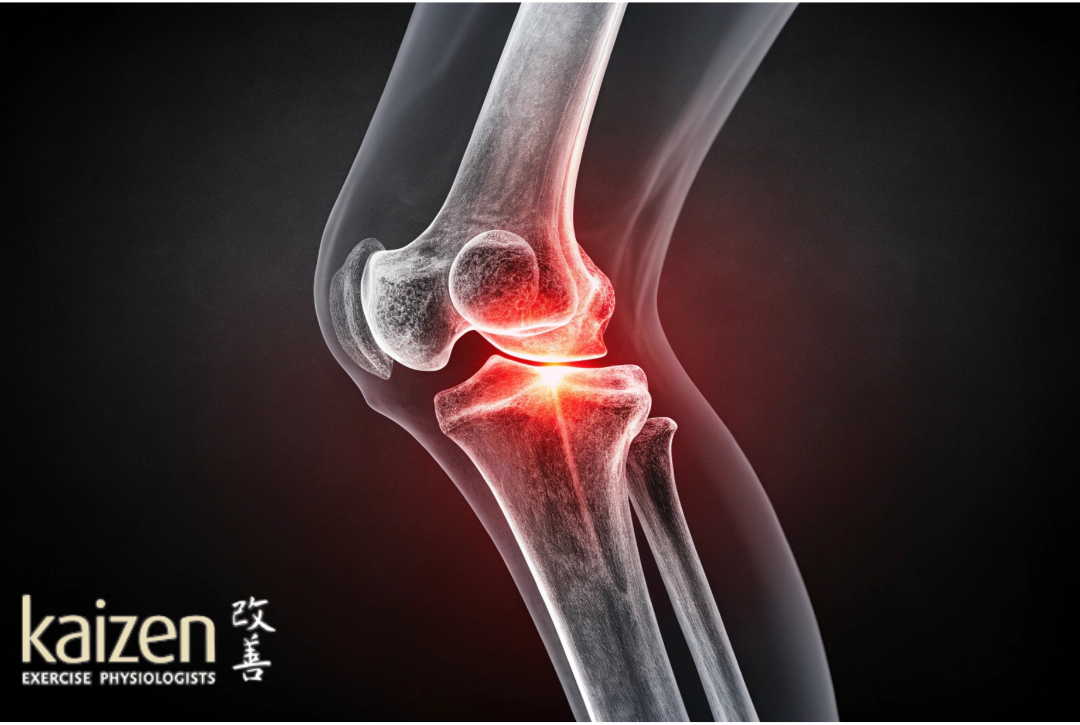
If you’re over 50 and living with osteoarthritis (OA), you’ve probably heard advice like “lose weight, reduce pain,” or “every kilogram helps.” But how much does weight loss actually help? And more importantly, how can you do it in a way that’s safe, sustainable, and guided by someone who knows what they’re doing — like an Exercise Physiologist. In this post, we’ll dig into what the latest research says, and how weight management combined with the right exercise can make a noticeable difference for OA pain, mobility, and quality of life.
Why Weight Matters with Osteoarthritis (OA)
As we age, our joints (knees, hips, etc.) tend to bear more stress, and OA becomes more common. Carrying extra body weight increases the load on your joints every time you walk, climb stairs, or even stand up. That extra stress can worsen pain, stiffness, and reduce function.
Recent studies confirm:
-
Even a small weight loss (about 5-10% of your starting body weight) is associated with meaningful improvements in joint pain, mobility, and function.
-
In a large Australian program (Healthy Weight for Life), people with knee OA who lost more weight had greater reduction in pain and better function — regardless of how much they weighed to begin with.
-
Combining diet with exercise gives better results than diet alone for older adults with OA. The mix helps preserve muscle strength, reduces joint load more efficiently, and improves quality of life.
So, what that means is: you don’t need to lose a ton of weight to see benefits. Even a small, consistent weight loss, joined by smart exercise, can help.
What Exercise Physiology Brings to the Table
Here’s where Exercise Physiologists (EPs) really shine. They can help you lose weight and manage OA symptoms in a way that’s safe, tailored, and realistic — especially for people 50+.
Here are some key ways EPs help:
Personalised Exercise Plans
-
-
EPs assess your joint pain, mobility, strength, any other health issues (e.g. high blood pressure, heart disease) to design a plan that suits you.
-
They balance strength training (to protect joints) with aerobic or low-impact cardio (walking, cycling, swimming) to help burn calories and improve cardiovascular health.
-
Safe Strength Training
-
-
Muscle strength around joints (especially knees and hips) helps offload stress from bones and cartilage. Research shows progressive strength training reduces pain and improves function in older adults with knee OA.
-
EPs monitor progression (how heavy, how many reps, how often) so you don’t overdo it and cause flare-ups.
-
Support for Weight Loss + Diet
-
-
While EPs don’t replace dietitians, they collaborate. They might advise on how exercise influences appetite, metabolism, and body composition.
-
The combined approach (diet + physical activity) appears in systematic reviews to lead to better outcomes in mobility, pain relief, and physical function.
-
Managing Pain & Flare-Ups
-
-
An EP can teach you pacing techniques: how to reduce load when pain is bad, then gradually increase again.
-
They help with modifying exercises so you can still move without causing extra pain (e.g. switching from stairs to incline ramp, avoiding high impact).
-
Motivation, Tracking, and Accountability
-
-
Having someone to check-in with helps stick to exercise plans.
-
EPs can track progress (pain scales, mobility tests, strength measures) so you can see improvements over time, even if weight loss slows.
-
Practical Tips: How to Get Started (50+ Friendly)
If this sounds good and you want to take action, here are some steps to begin — especially with guidance from an Exercise Physiologist.
Start Low, Go Slow
-
-
Begin with gentle, low-impact movement — walking, water-based activities, cycling.
-
Include 2-3 strength sessions per week, focusing on major lower limb muscles (quads, glutes, calves) plus core stability.
-
Set Realistic Goals
-
-
Perhaps aim for a 5% body weight loss over 3-6 months initially. It’s achievable, has measurable benefits, and sets the stage for more if desired.
-
Also set non-weight goals: “walk without limping,” “go up stairs without pause,” “reduce knee pain by 2 points.”
-
Monitor Pain & Adjust
-
-
Use pain as feedback. Some discomfort is okay, but “sharp,” “shooting,” or pain that lasts >24-48 hours likely signals too much.
-
Modify: reduce load, lower impact, reduce frequency temporarily.
-
Lifestyle Integration
-
-
Nutrition: partner with a dietitian, eat enough protein to protect muscle, eat anti-inflammatory whole foods.
-
Sleep, stress, rest days — all help with healing and weight loss.
-
Stay Accountable
-
-
Use an EP for regular check-ins, progress tracking.
-
Use simple tools: step counters, workout diary, weekly weigh-ins.
-
Choose Enjoyable, Sustainable Movement
-
-
If you like gardening, swimming, dancing, walking with friends — do those. Enjoyment helps you stick with it.
-
What Recent Research Tells Us (Plain English)
-
A narrative review (2024) emphasised that physical activity and weight management are core components of any knee or hip OA management plan. People who combine both tend to get better outcomes.
-
A study from the Osteoarthritis Healthy Weight for Life program in Australia showed that greater weight loss correlates with greater improvements in knee pain and joint function. Even those with more severe pain to start with saw large benefits.
-
A systematic review found that combining physical activity with dietary restriction in overweight/obese older adults with knee OA improves function more than either alone.
Common Questions
Is it ever “too late” to start?
Not at all. Even in your 60s, 70s, or beyond, people can improve pain, mobility, and strength. The improvements might come more slowly, and you may need more rest, but they can happen.
Will weight loss damage bone or muscle in older age?
Not necessarily — especially if you include strength training and ensure protein intake is enough. Exercise Physiologists help design programs to protect muscle mass and bone health.
Do I need to go to a gym or use machines?
No. Many strength exercises can be done at home with resistance bands or body weight. What’s important is doing them correctly, safely, and progressively (i.e. gradually increasing difficulty). An EP can show you how.
Final Thoughts
If you’re over 50 and dealing with osteoarthritis, don’t underestimate what even modest weight loss plus guided exercise can do. It’s not about losing a massive amount overnight — it’s about steady wins: less pain, better walking, improved daily life.
At Kaizen Exercise Physiologist, we can be your navigator: giving you a safe program, building strength, guiding weight loss, helping you avoid setbacks, and cheering you on when you hit milestones.
If this resonates, consider getting in contact with us and booking an assessment with one of our qualified Exercise Physiologist. Together you can map where you are now, where you’d like to be, and how to get there — one manageable step at a time
Leave a Reply